
While much of my European travels involved sightseeing and doing various fun activities, I did take the opportunity when I was in Rimini, Italy to attend the 2026 Velo-City cycle conference.
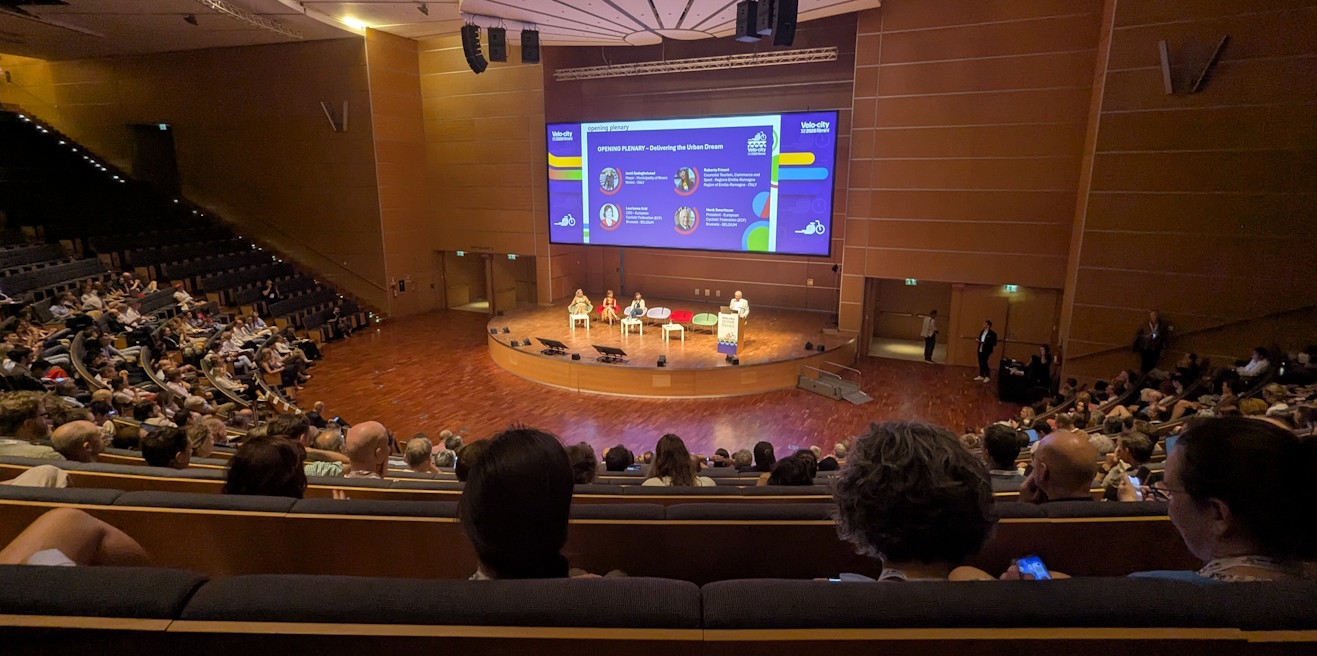
Organised by the European Cyclists’ Federation (ECF), Velo-City conferences have been operating for over 40 years (since Bremen, Germany in 1980). While it has mostly been held (not surprisingly) in European cities, Velo-City has also occasionally headed further afield to North America, Australia, Asia, and South America.
Although (sadly) they declined my attempt to present on all the great things that Christchurch has been doing cycle-wise, I still decided to pay a visit anyway to listen and learn a few things about what is happening elsewhere in the cycling world.
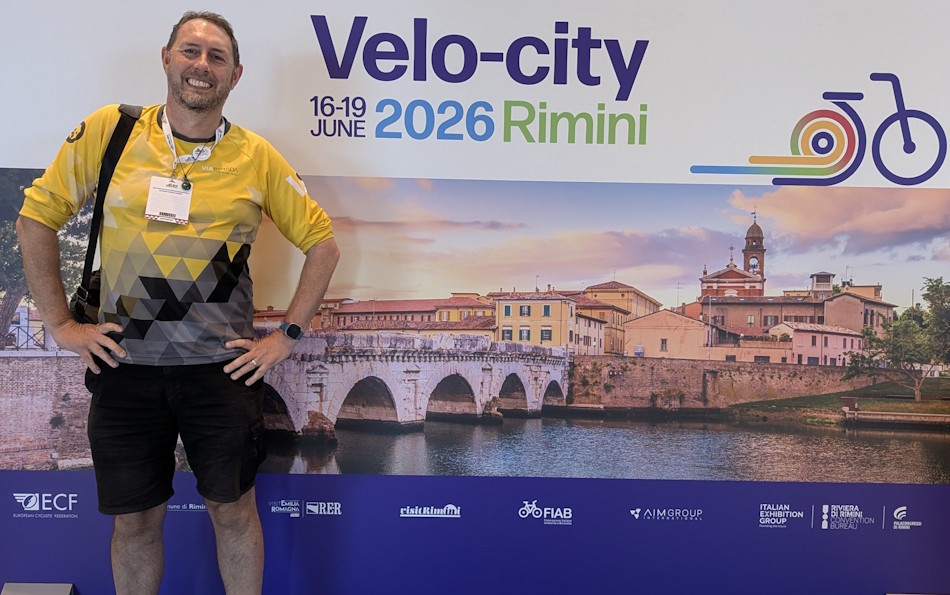
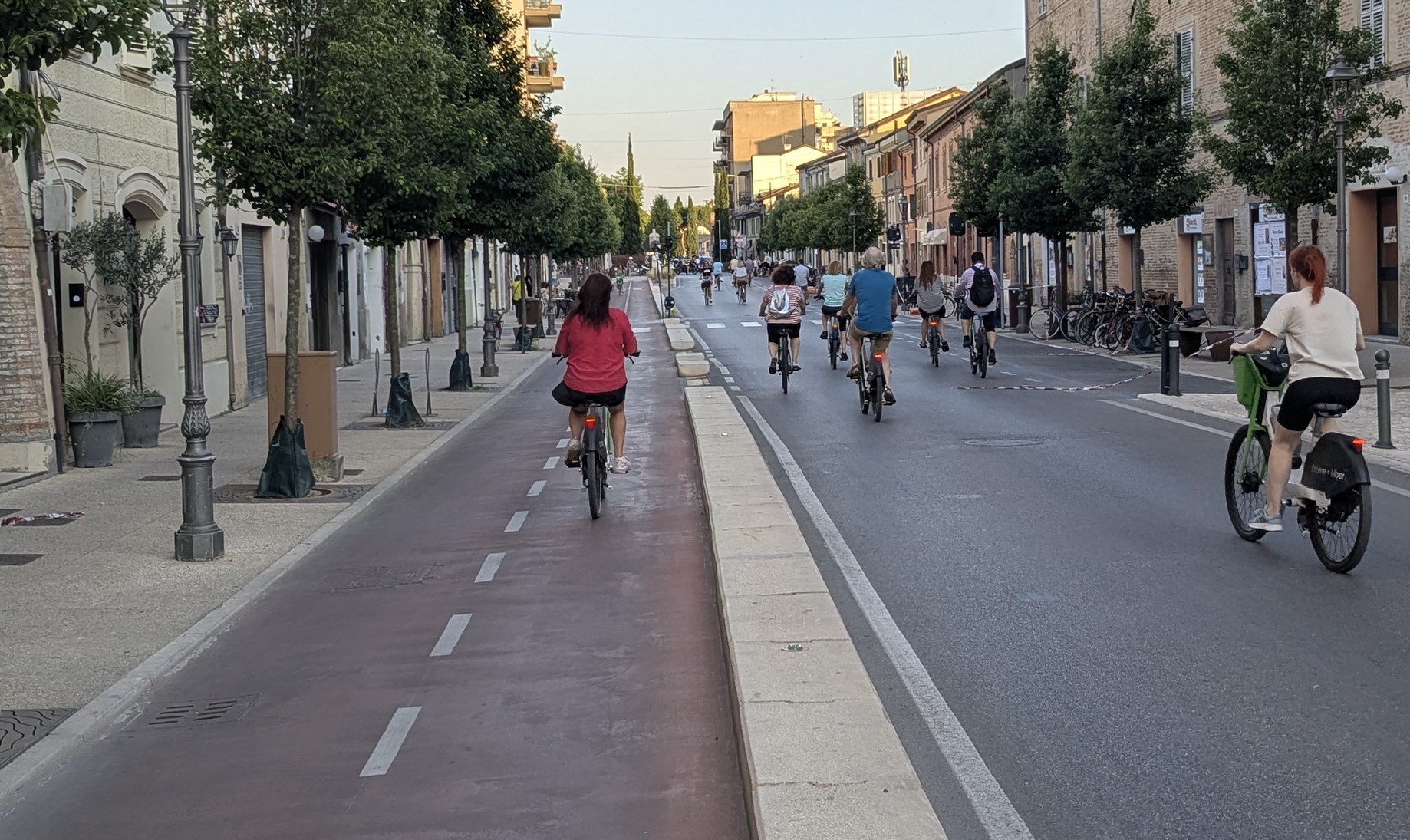
Getting to pick the next Velo-City venue is always quite a competitive process, with several cities often vying for it. Rimini was selected for this year due to its remarkable transformation from a car-oriented place to a more sustainable, liveable, and healthy city for all.
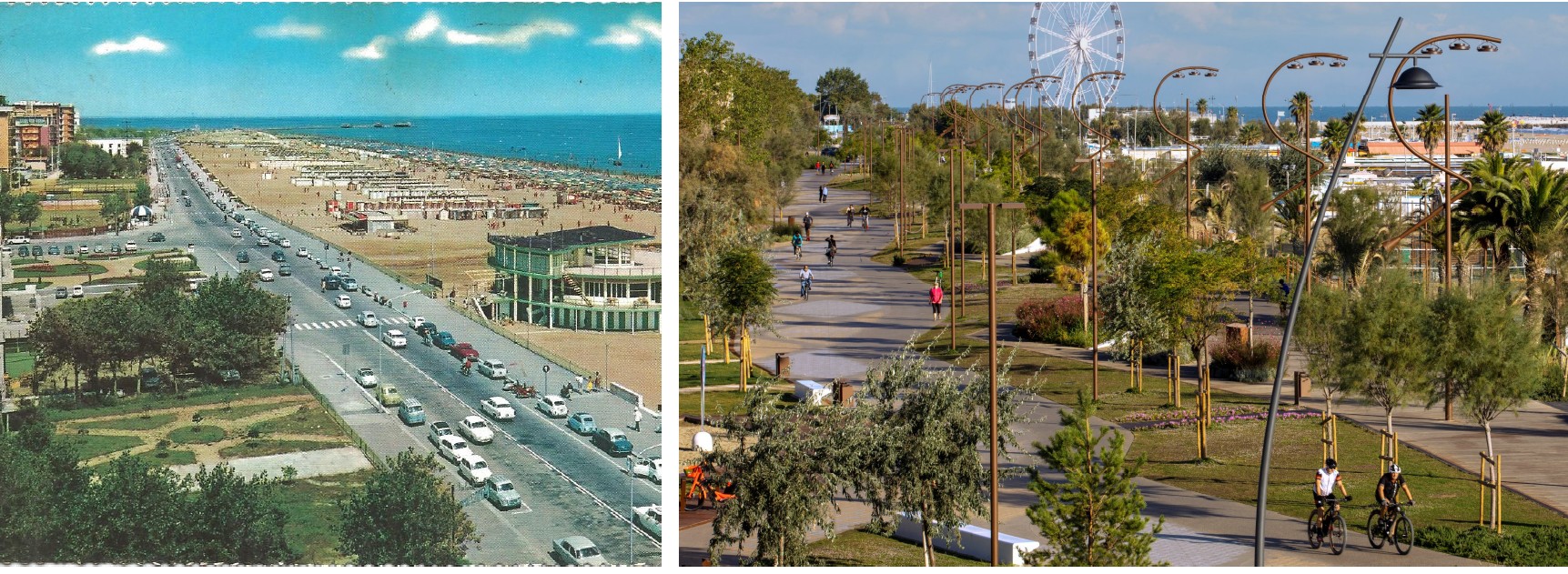
This has included the pedestrianisation of the seafront, a doubling of the bicycle network, the creation of a Bike Park bicycle hub, and the promotion of micro-mobility and the use of cargo bikes.
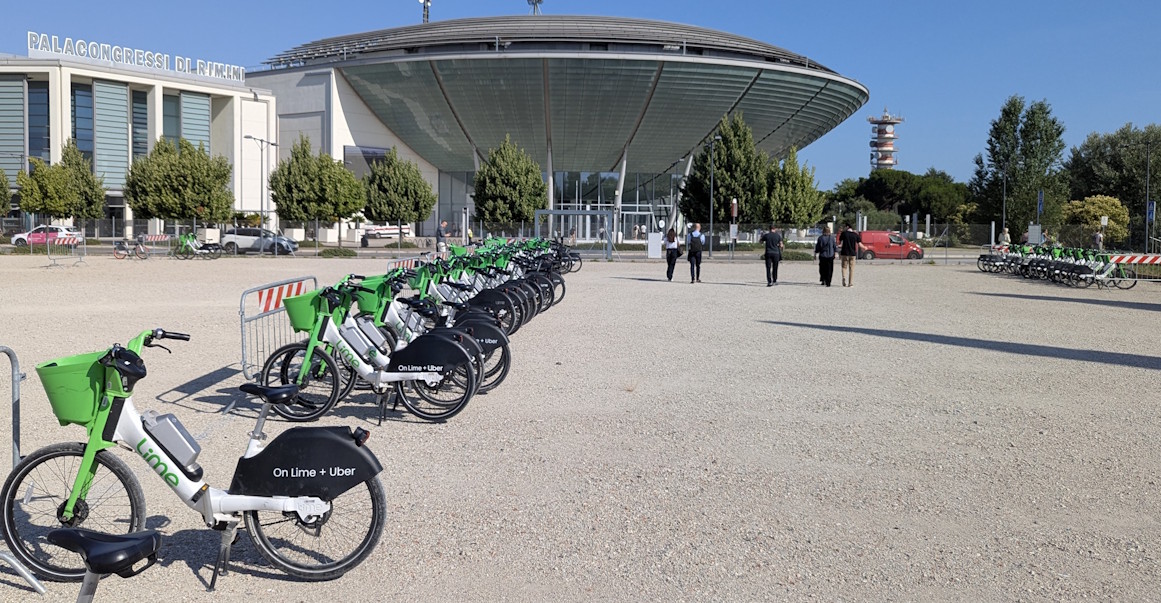
The venue in Rimini was the Palacongressi di Rimini, a rather spaceship-looking conference centre located about 1km from the beachfront.
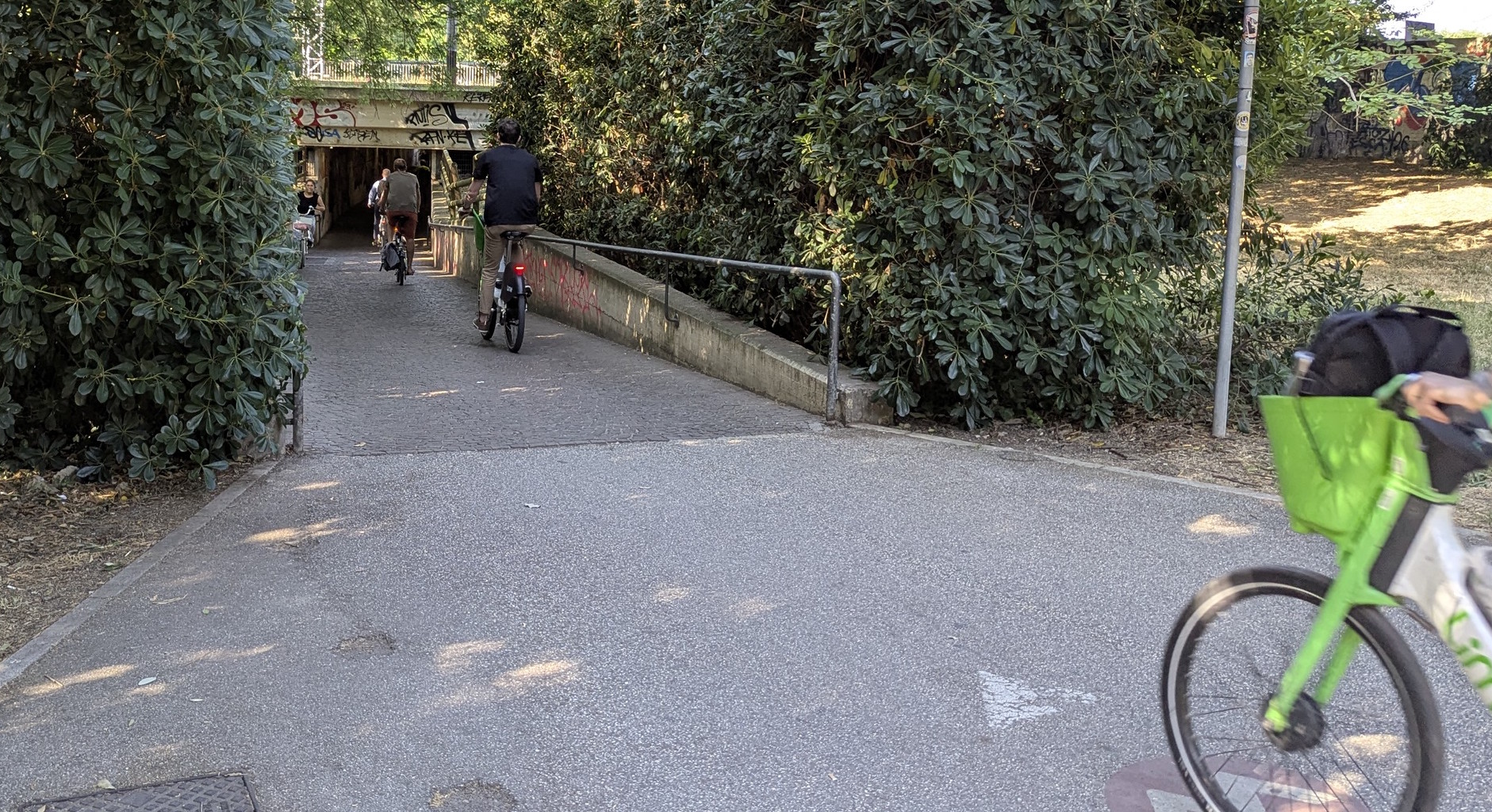
We were staying at a beach hotel, so the daily commute involved riding along a green corridor shared pathway that weaved under and over several busy roads and railways.
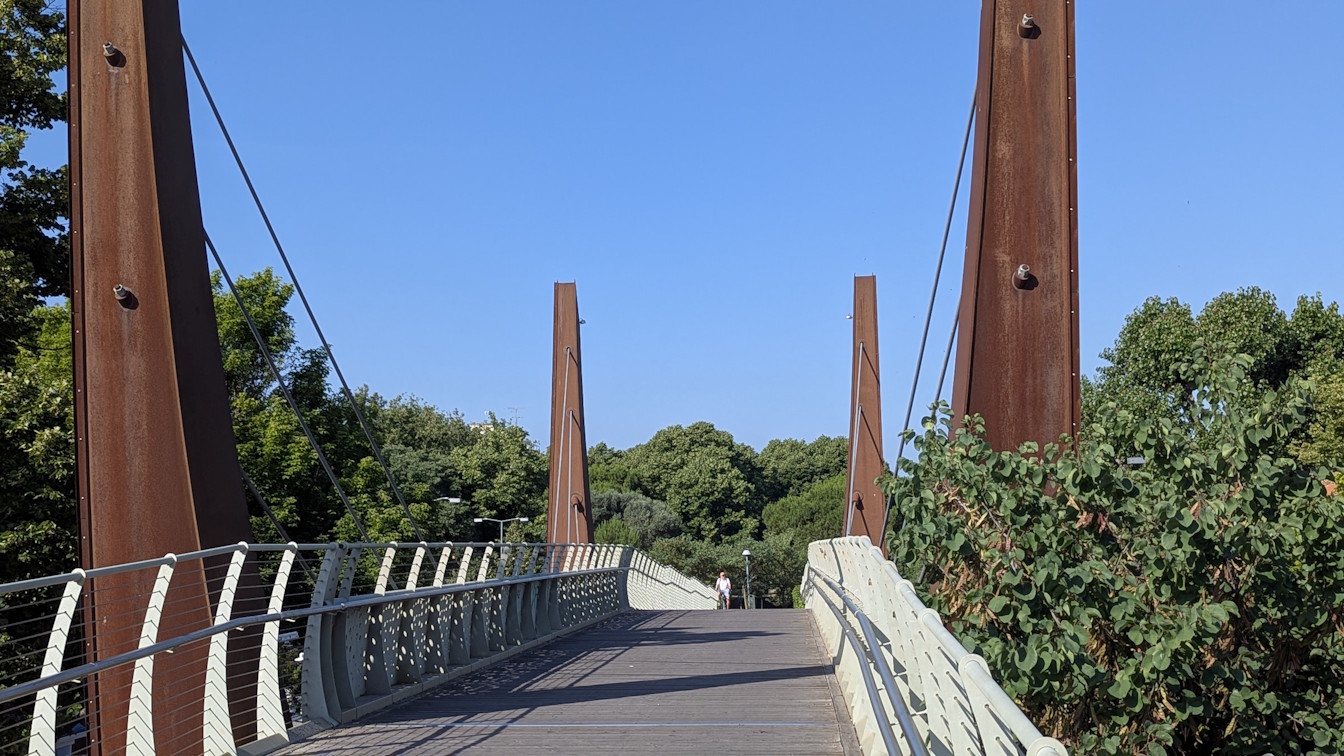
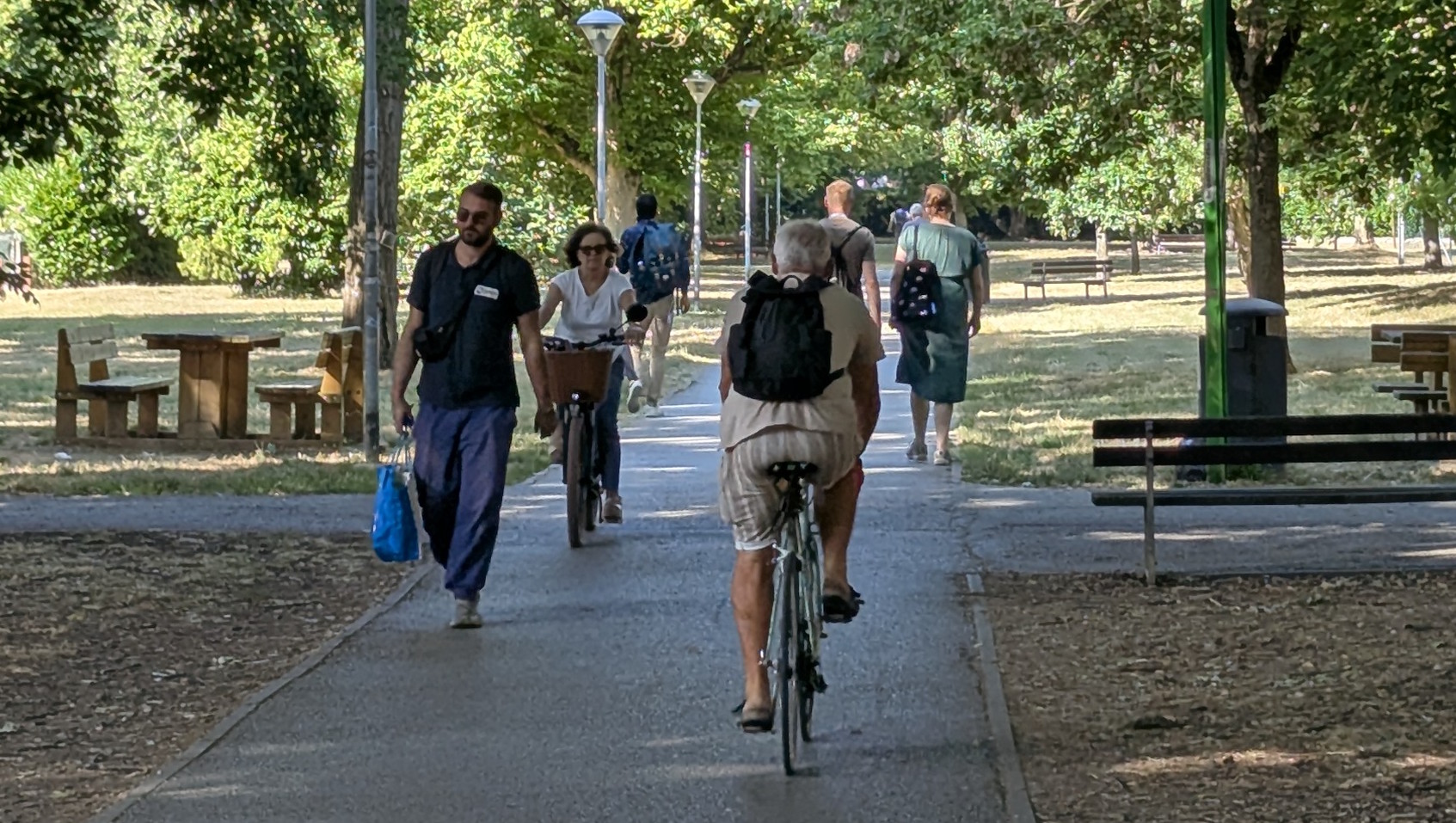
It was certainly a fairly busy route (especially when everyone was making their way to or from the conference venue), so you had to keep your wits about you for other path users.
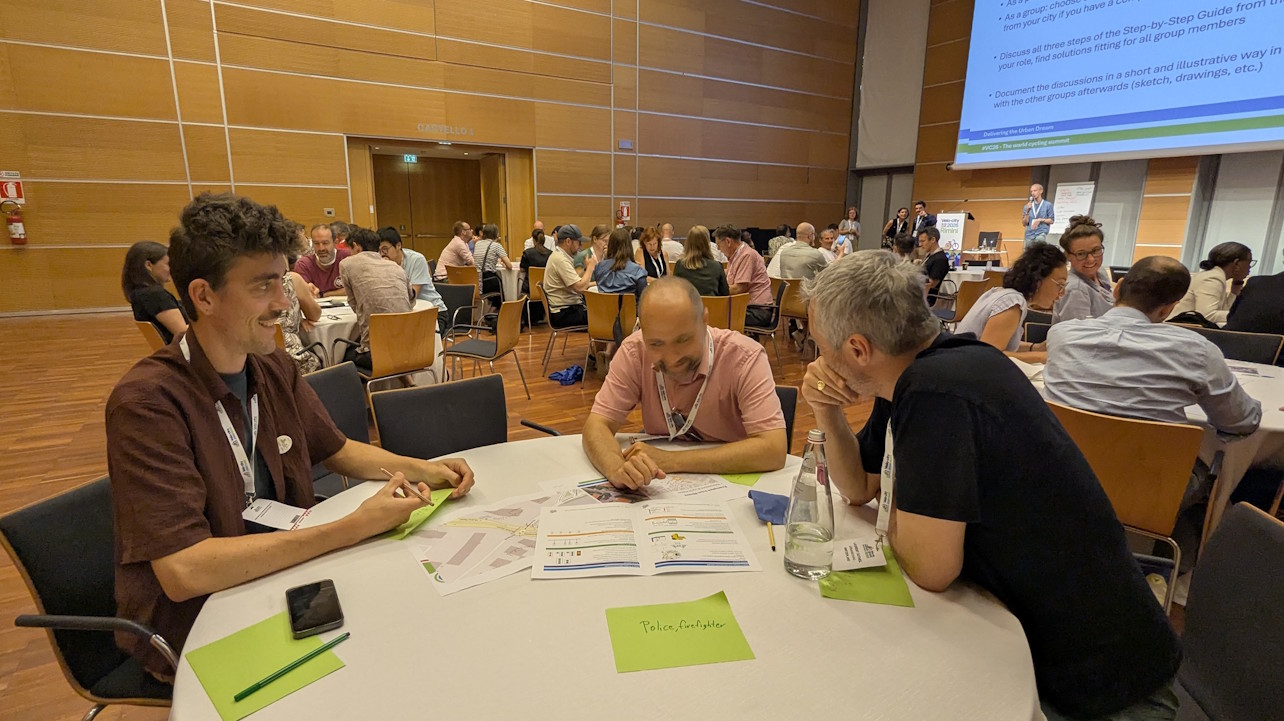
The conference itself consisted of a mixture of general plenary sessions for everyone, breakout room sessions for different streams, and even the occasional interactive workshop as well.
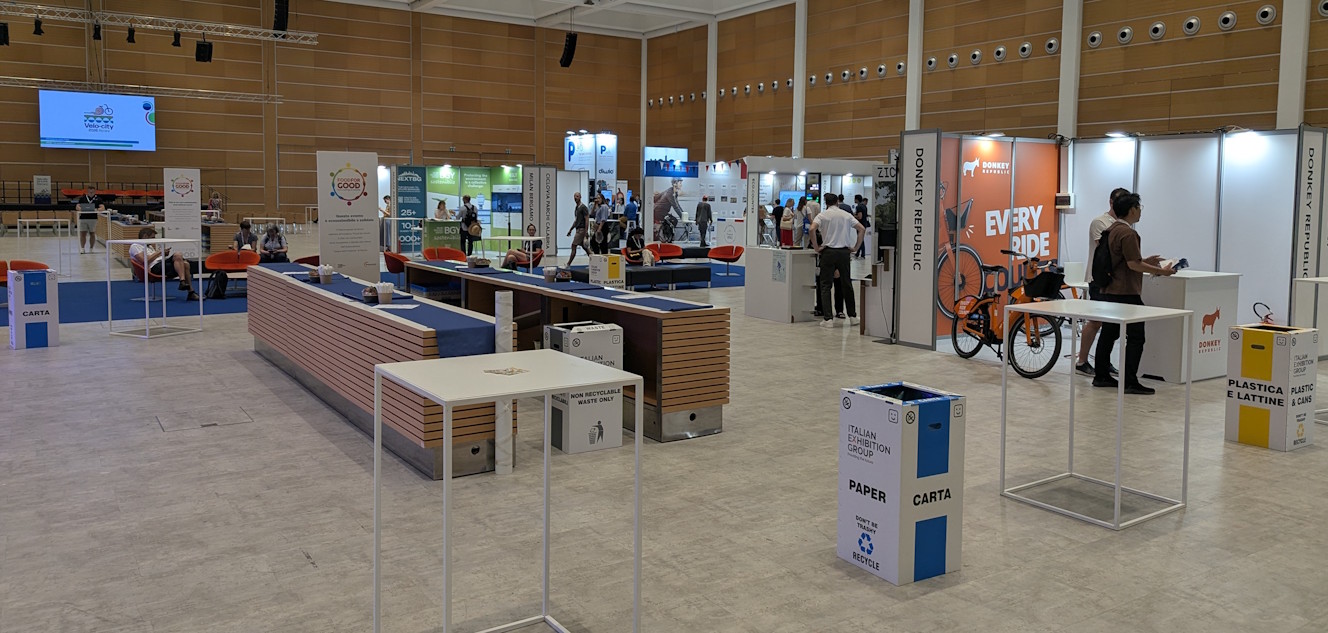
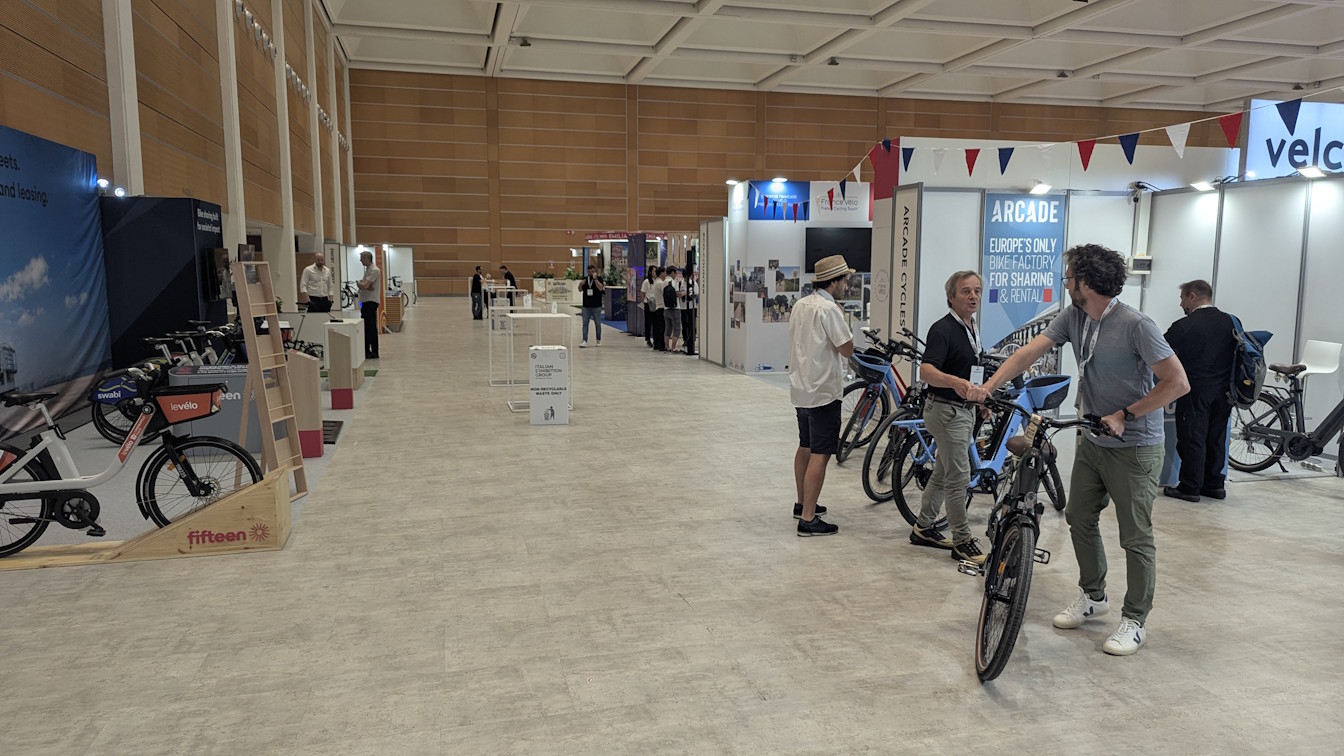
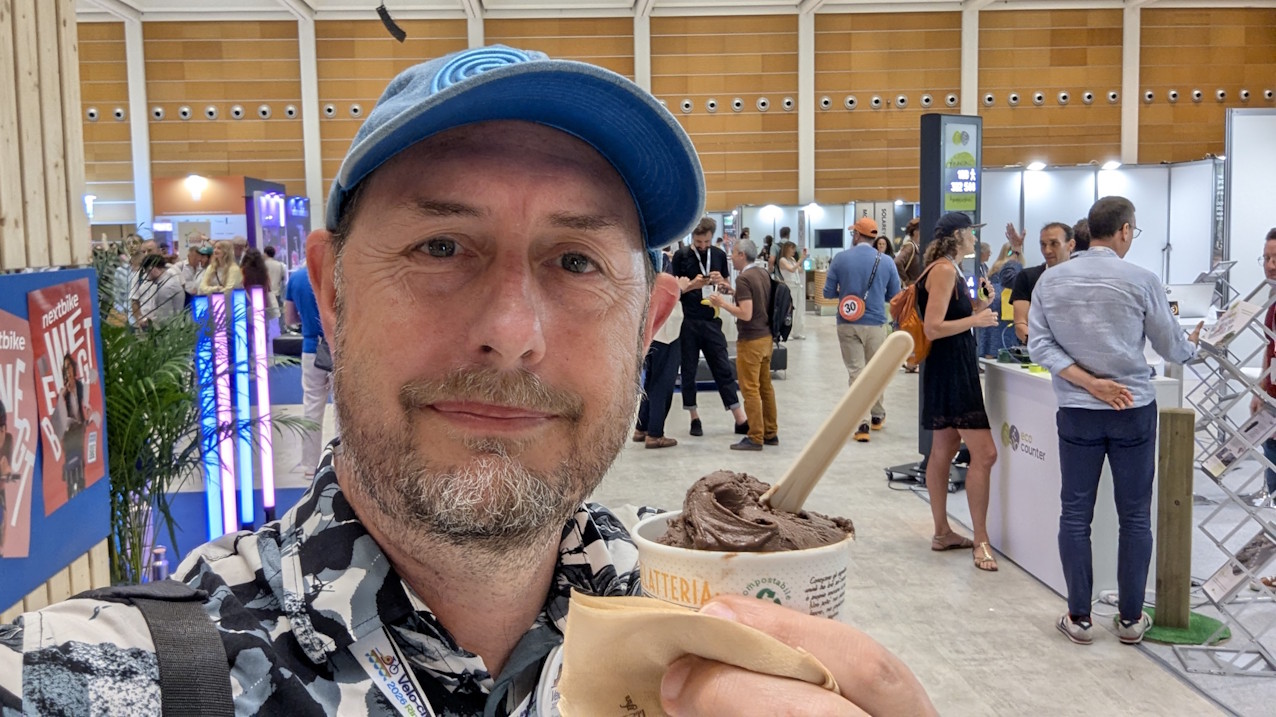
Away from these sessions, there was also a giant exhibition hall where delegates could grab some refreshments and lunches, view some poster displays, and various exhibitors showed off their wares (including a surprising number of bike share systems…).
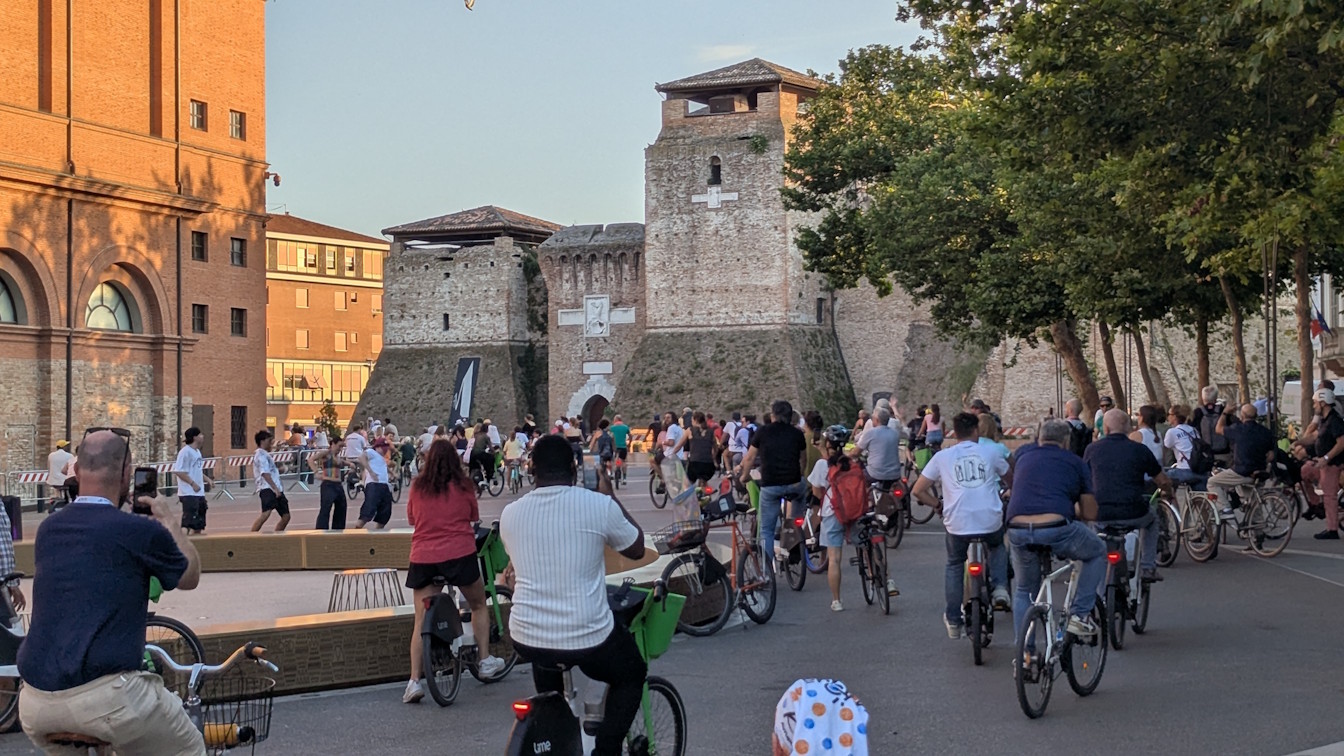
On the second day there was also the traditional evening Bike Parade where everyone grabs a share-bike (fortunately free for the week!) and makes their way leisurely around the city’s streets.
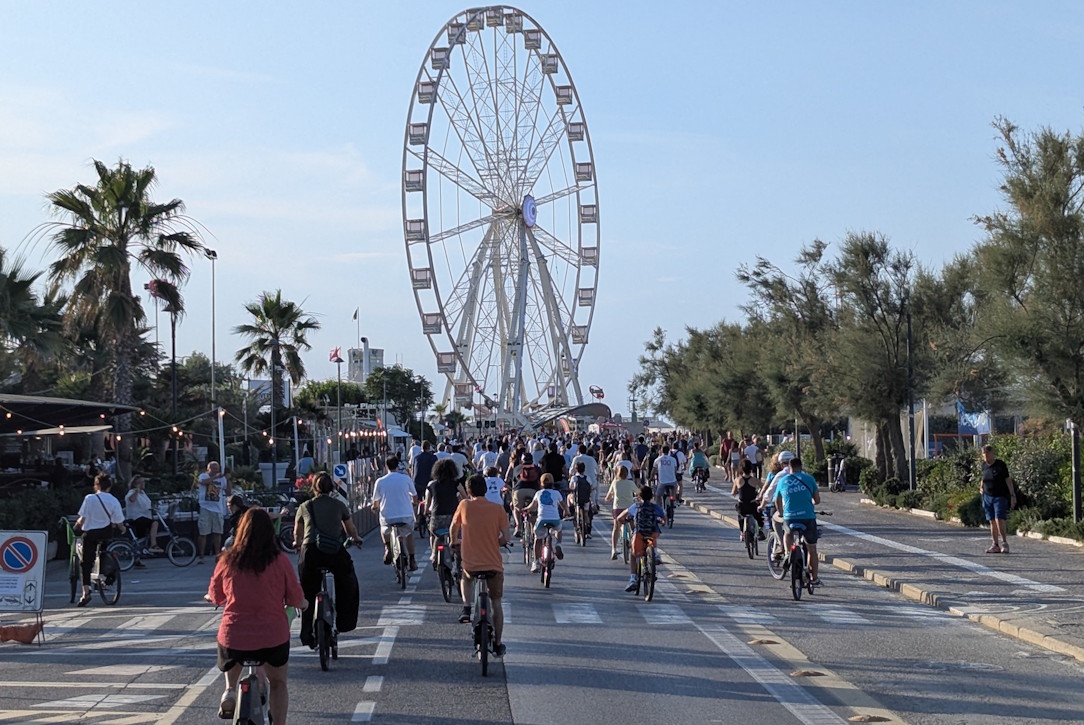
Not surprisingly, with thousands of people riding along, there could occasionally be a bit of a bicycle jam. Fortunately we were also entertained along the way by various performers.
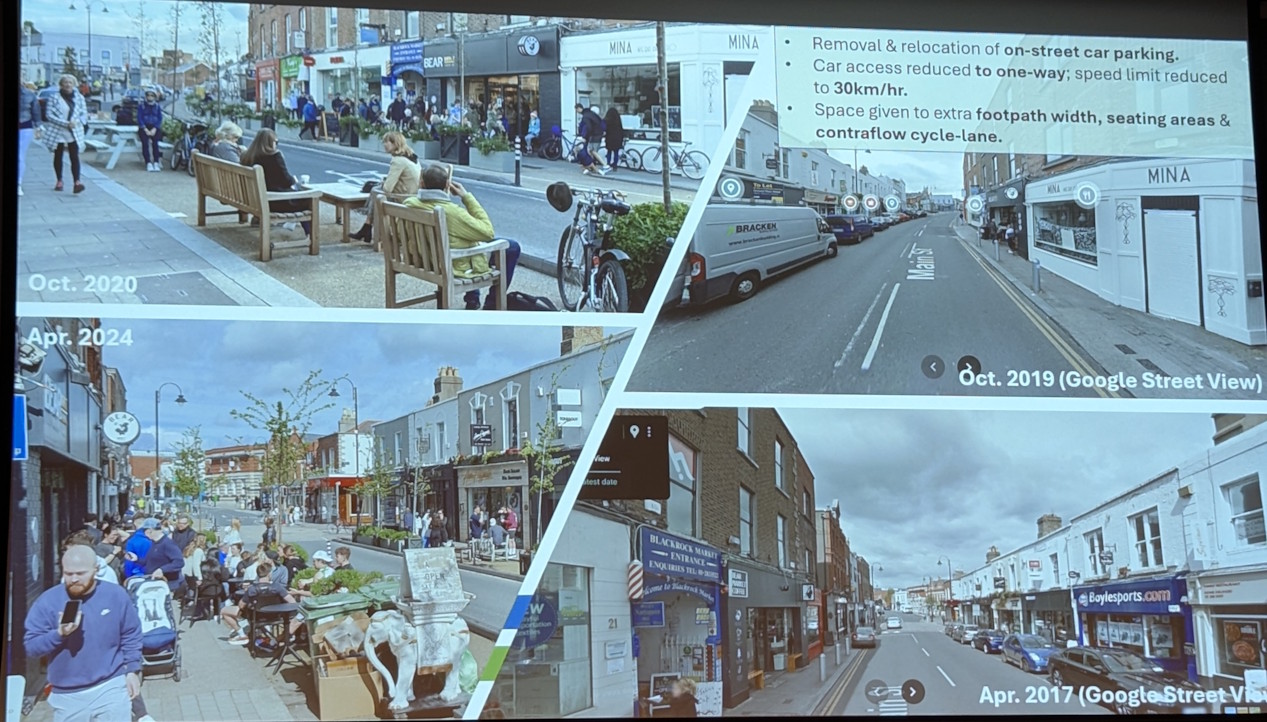
So what topics got covered at this year’s conference programme? Well a mix of the good, the so-so, and the not-so-good. There was certainly no shortage of nice examples of how cities had transformed once car-dominant streets into more walk and cycle-friendly environments.
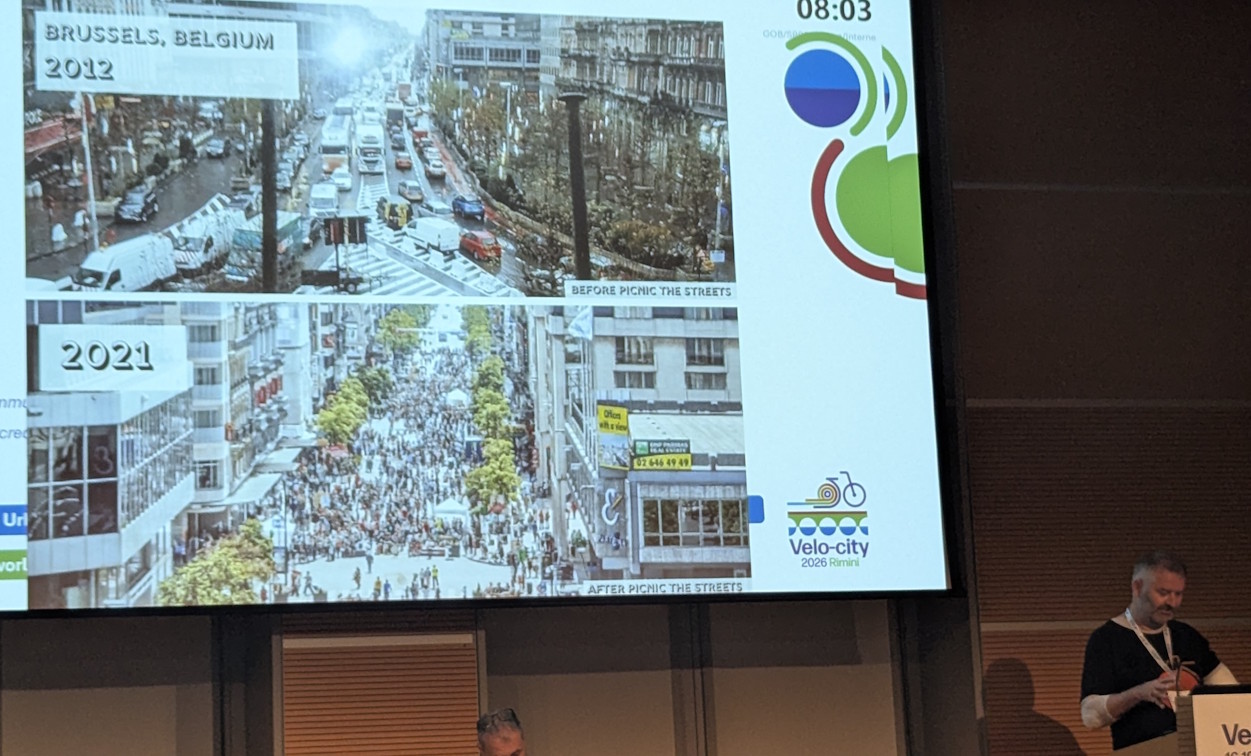
The Covid lockdowns of the early 2020s were one of the catalysts for some of those changes; often using temporary street measures to transform fairly unattractive places into locations with far more people and activity.
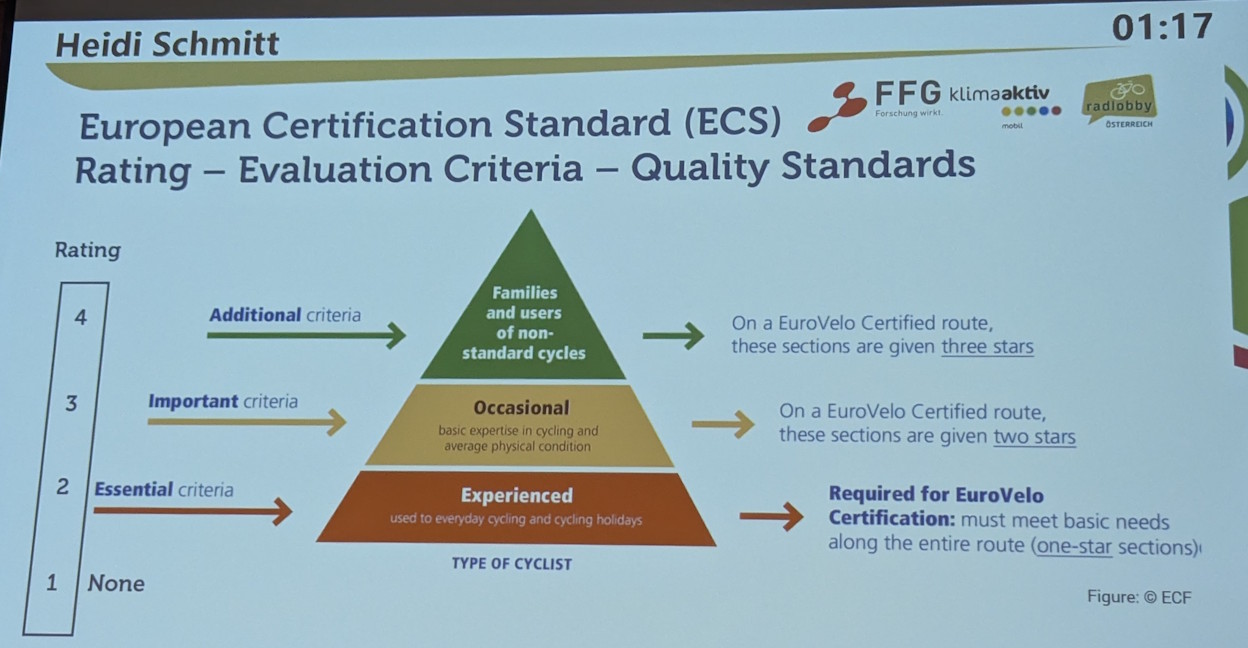
Across Europe, there is also a growing collection of EuroVelo cycle touring routes, and quite a bit of work has been going into assessing these routes so that they meet European Certification Standard (ECS) quality ratings – maybe something that NZ Cycle Trails could also look into…
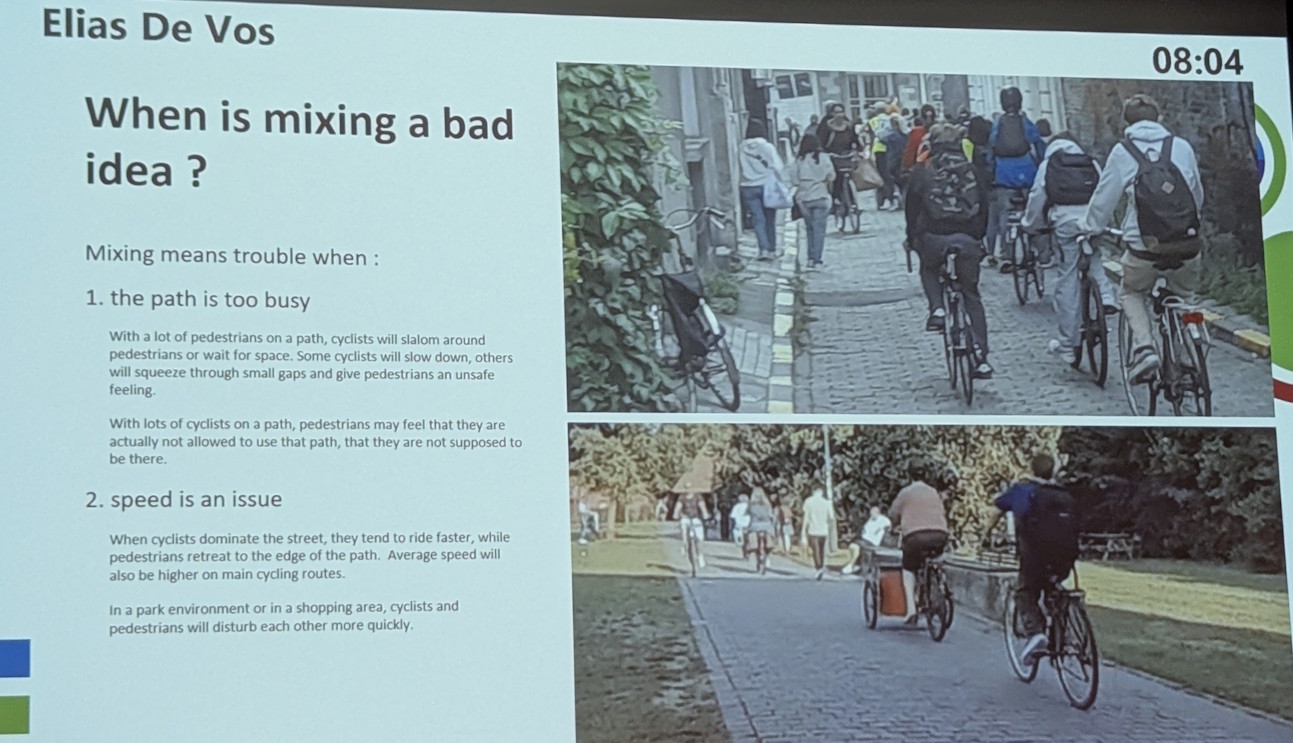
Growing cycling numbers is not without its issues though; sometimes shared paths can get rather busy (as I noticed on my rides to the conference venue), and then the question becomes whether to keep them mixed or to separate out the pedestrians and cyclists.
And, despite the great cycling measures seen across Europe, it’s not always the utopia we think it is – some locals can still get a bit grumpy…
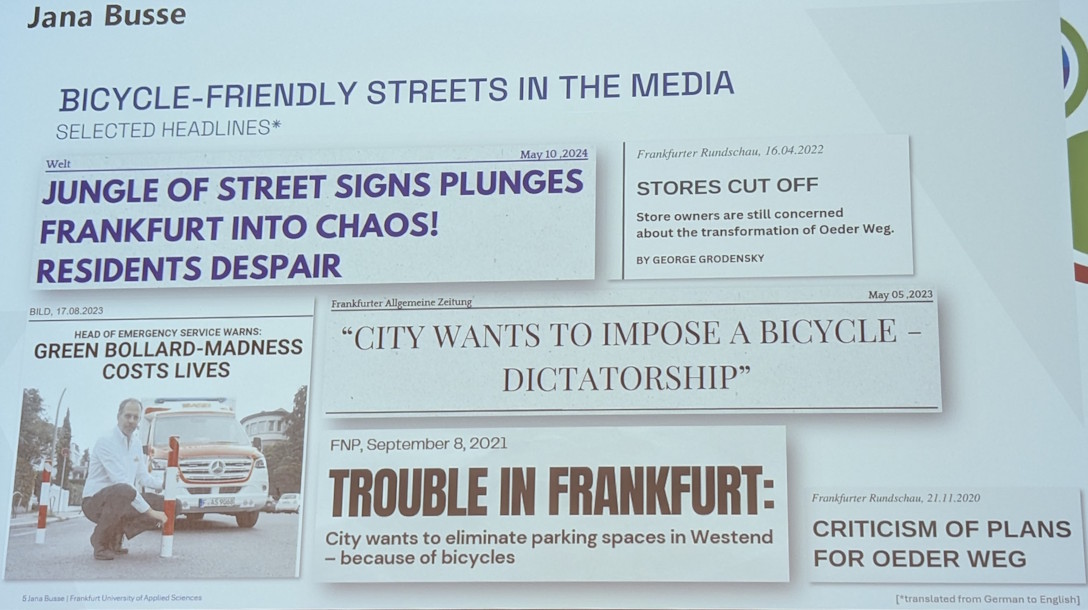
“Bikelash” does still exist even over there, whether it be about removing car parking for cycleways, blocking through-access for cars, or introducing lower speed limits.
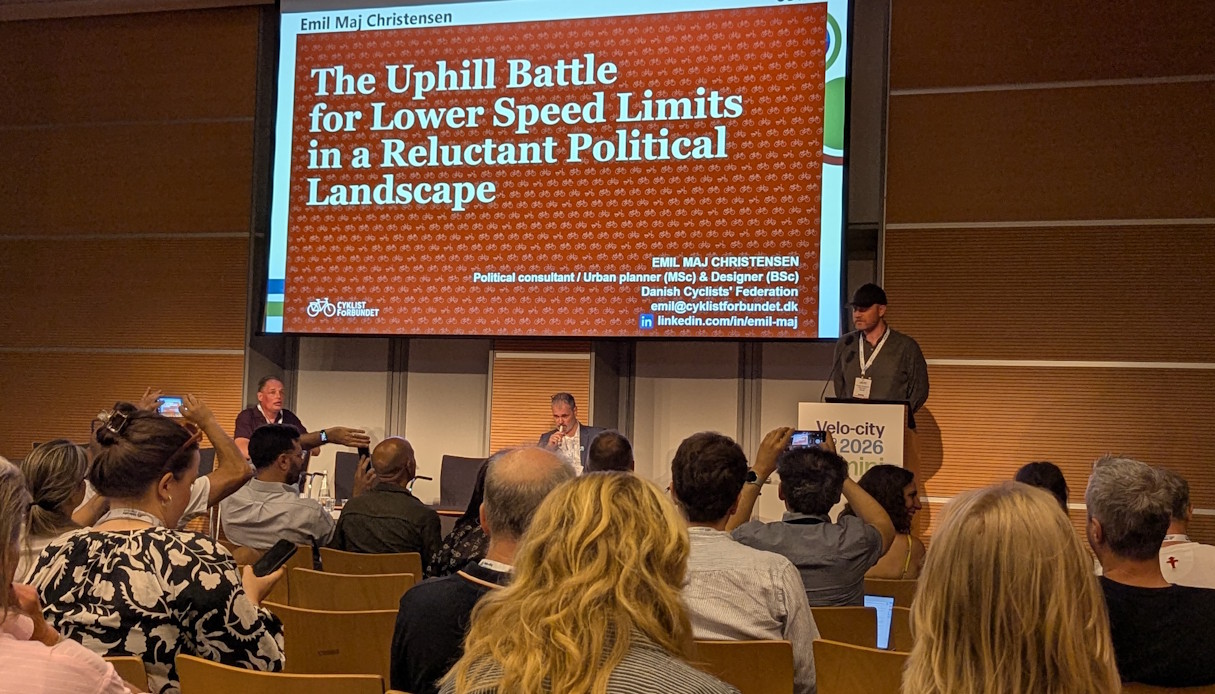
Several sessions were focused on the interesting question of how to deal with these issues. Sometimes it was a case of how to best frame the language and the narratives to both the public and the media.
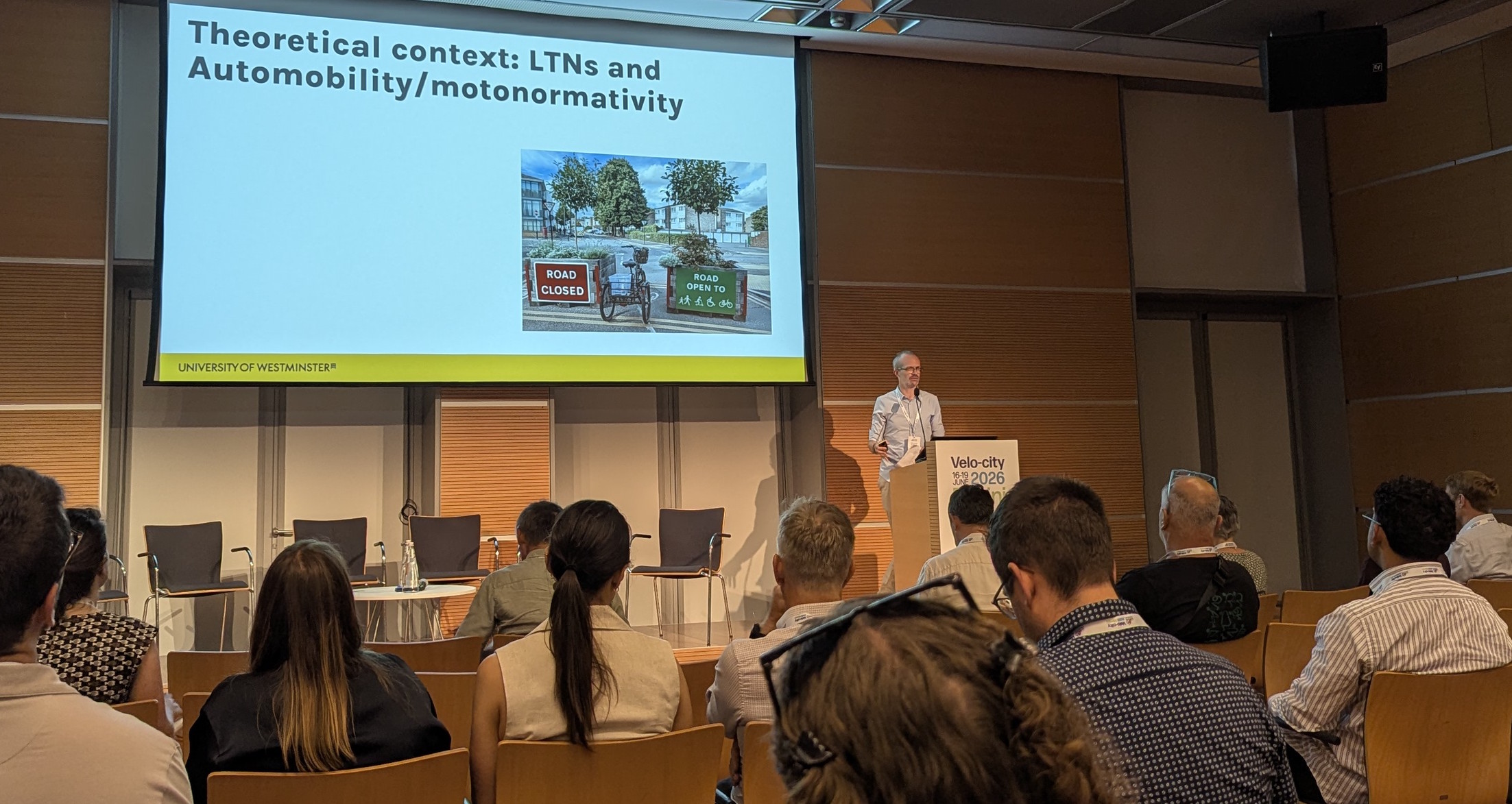
In that respect, a common theme was about choosing the right words and messages to tell good news stories to journalists. Another important angle was highlighting the strong economic value of investing in cycling.
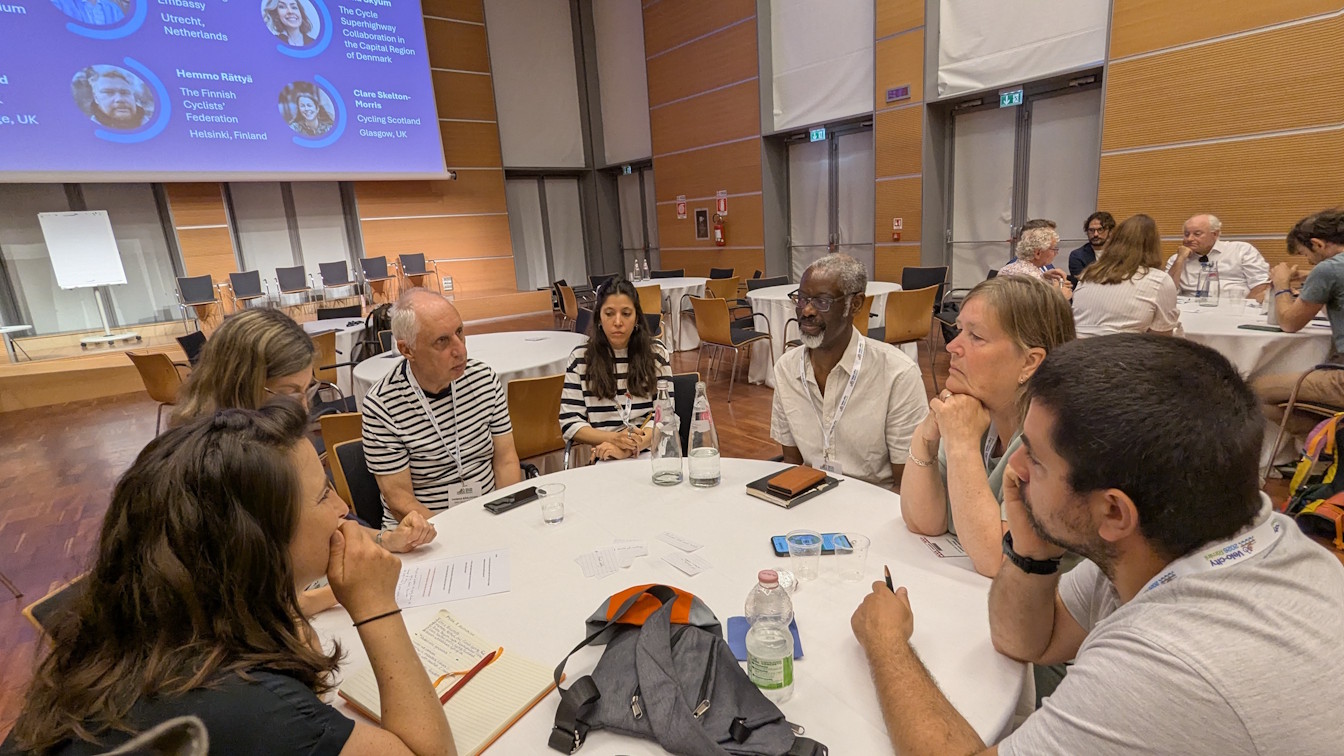
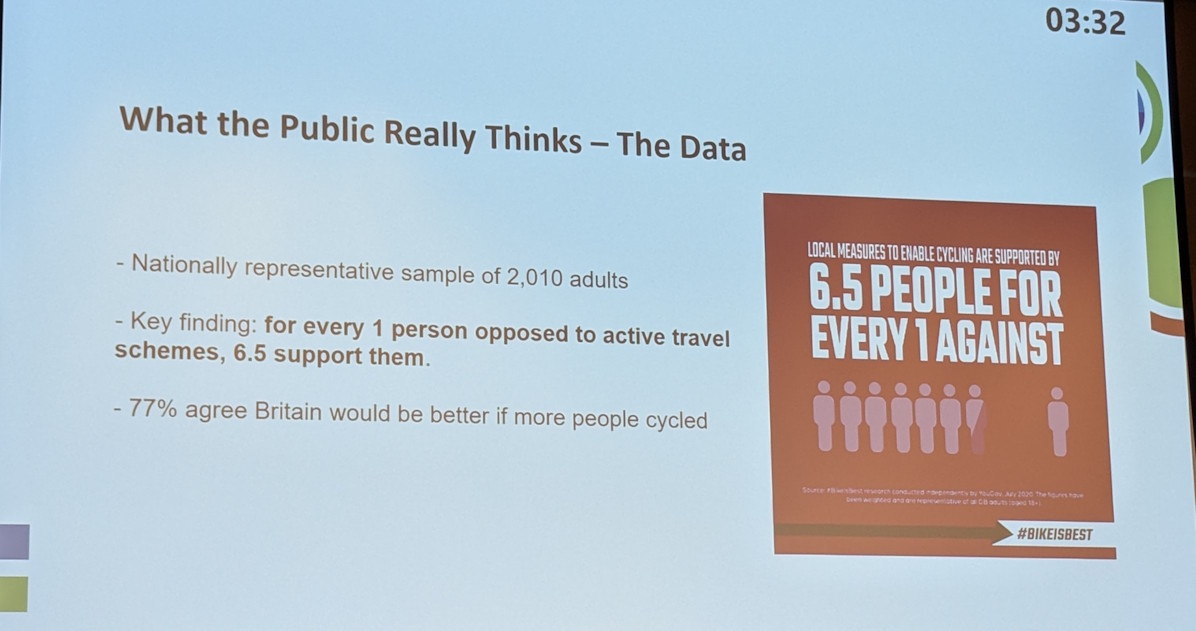
An interesting observation by some presenters was that (contrary to perception) actually more people were often in favour of cycle-friendly measures than against them – so-called “pluralistic ignorance”. Getting that information out to decision-makers is probably key as well.
Overall, the conference was a good mix of sessions, with some equally inspiring and thought-provoking takeaway lessons from them. And surprisingly, despite being half a world away, I even managed to connect with some Kiwis (or former Kiwis) while there…
(P.S: If you want to see all of the various presentations from the conference, you can find them in this Google Drive folder…)
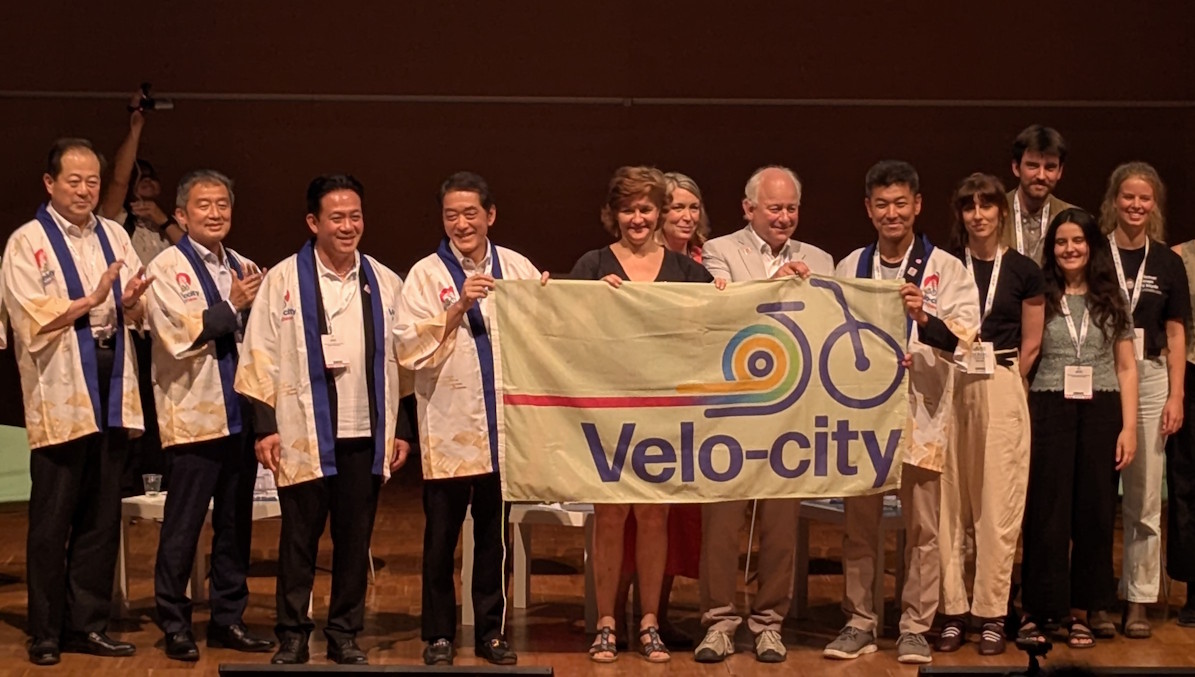
Next year’s Velo-City Conference will be heading over to Matsuyama in Japan during 25-28 May 2027, only the second time that it has made it to Asia. At least that’s a bit closer to New Zealand this time…
What do you think of the 2026 Velo-City Conference?
I hope that the CCC see this. The transformation of Rimini is quite dramatic. If only we could do the same here!